The Dark Side of Drug Treatment
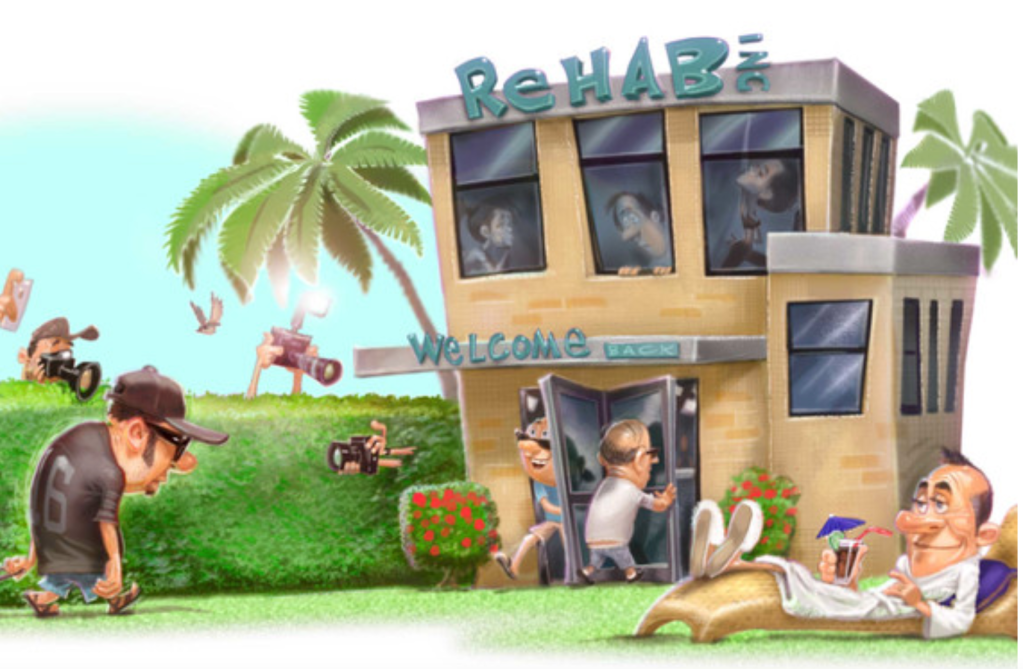
I’ve told this story many times and I will probably tell it for years to come. It occurred during a part of my life I will never forget. I think it really captures the privilege money offers when it comes to mental health treatment. I imagine everybody understands the idea that the more money you have the better access you have to treatment for any condition. This isn’t news to anyone. It certainly wasn’t a foreign concept to me, but it takes on a new meaning when you witness the discrepancy first hand.
When I was in detox in December of 2022 I spent the first couple days in a mixed state of pain and exhaustion. I didn’t eat or even leave my bed for three days. When I gained enough strength to step out and shower, I noticed there was another kid in the facility. I had thought the place to be empty but the image of a dope-sick 19-year-old kid with a face tattoo proved me wrong. His name was Dom. The next day with a little more strength we found ourselves chatting in the common area of the facility eating snacks and watching TV. Dom and I were wrapped in blankets fluctuating between being too hot and too cold in the peak of our withdrawal. At one point I was shivering while Dom sweated profusely, an hour later I was drenched in sweat while Dom was wrapped in blankets. We shared a good laugh over this. I learned Dom’s drug of choice was Fentynal and he was coming off his third overdose. I found relief in talking to another addict and sharing my experience during the worst period of my life. This was the first glimpse of hope I had in a long time. But I was quickly met with a harsh reality: one of us will most likely not survive our addiction. I asked Dom where he was headed next and told me he was going to a 30-day, state-run rehab in Loveland, Colorado. There was a brochure for the place at the admissions desk and when I opened it up I remembered all the horror stories I had heard of state-run treatment centers. For those who don’t know these rehabs are (poorly) funded by the state and lack comprehensive, individualized treatment. Clients go to uninspired group therapy sessions and rely mostly on the principles of A.A. Needless to say the success rate of these places is low.
So I look at the brochure and lo and behold the place looks like a giant rundown warehouse stuffed with beds inside. The place looked dark and eerie, as if it were screaming “you’ll never get sober here.” I knew what was next for Dom. He would probably be met with A.A. groups, half-assed therapy, and might even be living with people in active use. After 30 days Dom would be on his way out with no after-care plan and go straight back to using Fentanyl. Dom is most likely dead. When talking about having friends in recovery a good friend of mine always says: “Most of us will relapse, some of us will die” I do not mean to be morbid but it’s just the reality of dealing with addiction. And given the numbers that innocent looking child who was desperately seeking a solution probably could not find one. I think of him all the time. So what does it take for somebody to have a better chance? For starters money. It doesn’t take a genius to know that being poor is one of the biggest risk factors for mental illness, especially addiction. I am not going to get into the nitty gritty of why this is. But if you have a decent understanding of the brain and know basic American history it should not be a surprise.
So what is the flip side of all this? Well in this case money may very well save your life. This is where Dom and I split paths. I told Dom I was headed to a place in Carbondale, Colorado. Neither of us had heard of the place but I partly knew what was in store for me. I would be well taken care of by a knowledgeable clinical team. I would be held accountable on a daily basis, and also have the opportunity to have a lot of fun. I got to go skiing with my friends and we even went on a trip to Moab for three days. Sure I had to go through the monotonous day-to-day stuff that comes with any treatment center, but for the most part I just got to mess around with my friends and enjoy sobriety 20 minutes from Snowmass Village. Looking back it was probably the most fun I’ve ever had in my life. That statement troubles me for some reason. On one hand part of rehab’s purpose is to show you can have fun while being sober. On the other hand it felt like a vacation at times, like I was at summer camp. The majority of addicts can’t relate to that statement.
Now it wasn’t just the fact that I had access to snow-sports and golf courses that put me in a better spot, it also had to do with accountability and comprehensive care. These places charge ridiculous amounts of money, and one of the biggest things clients (or their parents) are paying for is to ensure the safety of everybody. We were well-monitored throughout the day, and required to randomly breathalyze and drug test three times a week. On top of that you were given a psychiatrist, an individual therapist, and of course a sponsor. All-in-all there are a lot of people looking out for you. I’ve heard countless times of people getting high in state-funded facilities, and nobody does anything about it. This isn’t to blame anybody, however, the workers at these places are not well paid and are often overworked. They can be tasked with doing things that stretch far beyond their job description. Things that might even put them in danger. And of course 30 days is not enough time to get back on track. For the first week you are probably detoxing so any offered treatment is a waste. Nobody wants to go to group therapy while coming off meth. By the time you have detoxed you might be pissed at the fact that you’re in rehab. That takes a couple days to get over. Maybe by the third week you start buying into treatment and begin to feel better. But then it hits. 30 days is up, your insurance won’t cover anything more, and they kick you out. Each day a new arrival comes in and the cycle continues.
85% of people are going to relapse within a year of treatment. It’s a dark reality yet I am constantly reminded about this whenever I inquire about an old friend from rehab. This feels like it refutes the idea that more expensive treatments offer better outcomes. In my experience the answer to this question is not so black and white. You are offered so many more resources, both during and after treatment, that you are put in a much better position to be successful. These places are sometimes placed in remote, beautiful locations where it’s hard to get high on anything except computer duster. Like I said you are also well-monitored and it takes a great deal of effort to use and get away with it. So the money helps, but it promises nothing. At the end of the day one’s sobriety remains in their control and it’s up to them to see it through. No amount of money can guarantee your sobriety. And this is where we find the dark truth of addiction treatment: Rehab is first and foremost a business.
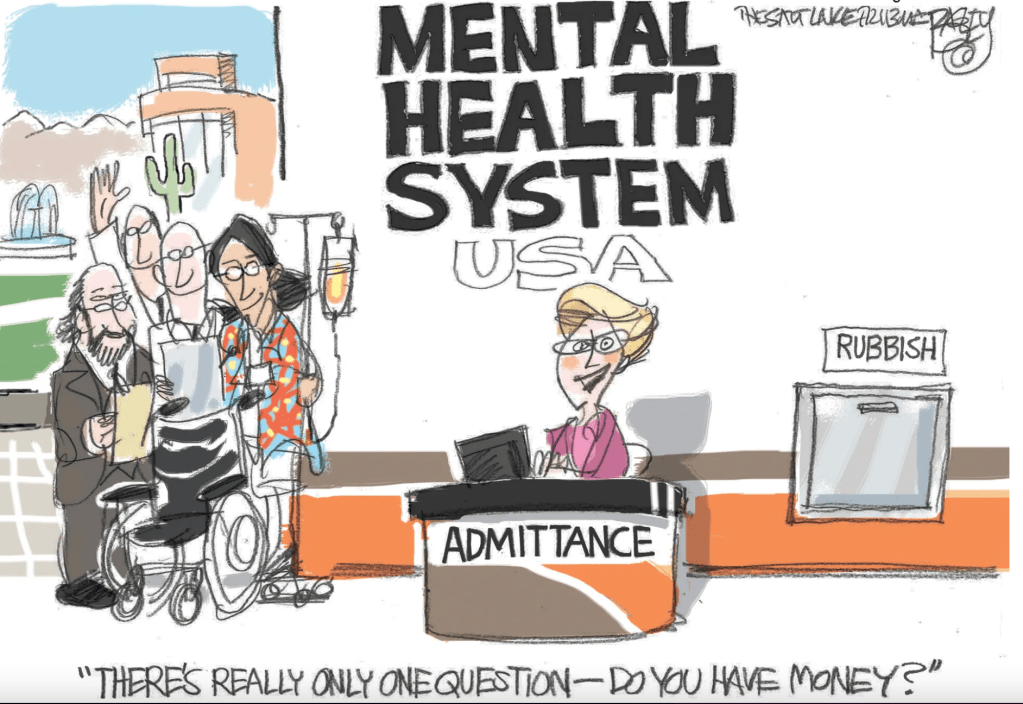
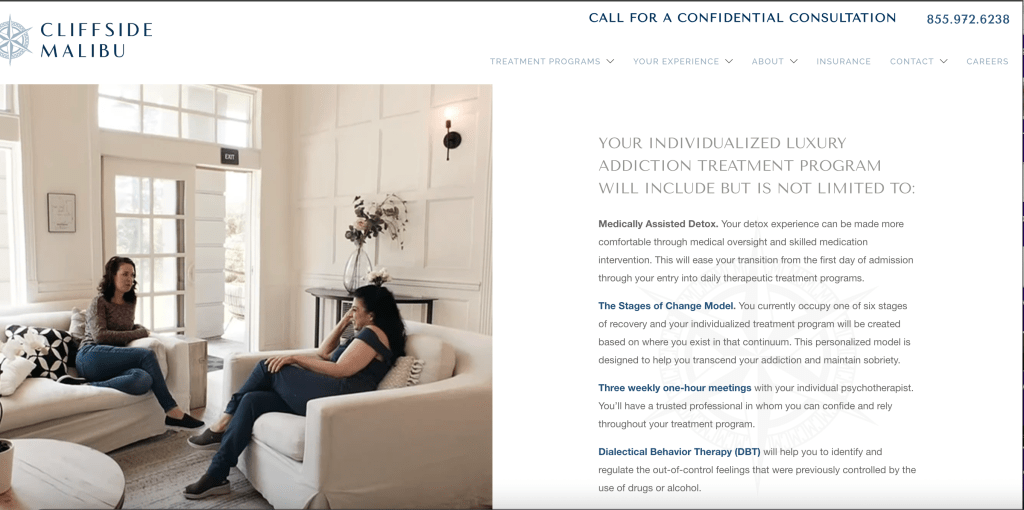
Go to a website for any expensive rehab and you are certain to find a couple things. Something along the lines of “modern, cutting-edge psychotherapy that is catered to the individual client.” Then the amenities: “Located right along the Pacific Ocean, clients have the opportunity to surf, fish, and kayak, whilst forming deep-rooted bonds with their sober community” Then you have the “we are a 12-step, communal based program” part. “Clients are required to attend at least five meetings a week and work the 12-steps of Alcoholics Anonymous.” Upon awaiting admission, there is always the guy with the sales pitch. They convince you or your loved one that this rehab is like no others. And of course you’ll hear about the not-so unique amenities. But here’s the worst part: this is the person who is talking to you at your lowest. Right before you enter treatment chances are you’re in detox. Imagine sitting on the phone alone while some stranger gives a sales pitch for the next three months of your life. The key to the pitch is acting like they care about your well-being. A lot of these people are sober themselves, so they try to relate their experiences to make you more comfortable. I don’t doubt some of these people actually have genuine intentions, but when push comes to shove they are motivated by the money. I remember talking to an admissions guy on the phone in detox who sounded very genuine. Like he actually cared about the clients’ sobriety, but deep down I knew it was just a facade. Upon intake you are greeted by that very man, and you almost never see him after your first day. I hold a grudge like no other and I will always hate the people that work in the marketing side addiction treatment.

In the NFL people always say “it’s a business” after a seemingly loyal player demands more money or gets traded. In this case there is not a lot of room for emotion as no objective harm is being done and these guys are just trying to earn a living. Unless you’re a snake like Saquon Barkely, of course. In rehab though it’s completely different. It is a business but peoples’ lives are at stake. Emotional stability should be the first thing these people think of when dealing with a client. Sometimes that isn’t the case. But let me be clear: I have met some of the most genuine and caring people who work in treatment. They are often the therapists, the techs, or support staff. They interact with clients on a daily basis so we get to know them, learn their stories, and use them as a resource for support. It’s the upper management that some of us addicts consider “evil.” You rarely see these people and they are in charge of decisions that could very well dictate your future. Picture a bunch of addicts sitting together at dinner. How do you think they react when they see the CEO dressed in a suit and tie giving prospective parents a tour? They’ll make a life altering decision on somebody’s behalf, and then it’s on to the newest client. It’s on to whoever has the money. I’ve mentioned how rigid drug treatment can be, especially when it comes to A.A. This program is all some people know, it worked for them so it must work for you. But if you fall outside the confines of “treatable” (i.e. working a program and adhering to principles you fundamentally don’t believe in) then the easiest thing to do is kick you to the curb. Can’t convince this client to stay an extra 3 months? “We recommend other treatment options.” “The client is displaying treatment-resistance and is being recommended different options of care.” This is code for we have somebody new who isn’t gonna give us a hard time, but will give us money instead. What bothers me the most is this inauthentic illusion they present about actually caring about you. Once a client relapses, leaves, or even dies, the rest of us are not given the benefit of having an explanation for why a member of our community is gone.
Truthfully, I was hesitant to write this post. It was inspired by somewhat recent events in a treatment program that I was a part of. It might cause controversy within my community, but frankly I do not care. This is the whole point of having this platform, to say what I feel needs to be said. Months ago when I was in sober living, we had a new member introduced to the community. I will refer to them as Dylan. Dylan was staying for 30 days which is shorter than the usual 90, but when it comes to sober communities you get really close to people really quickly. Dylan was incredibly sweet, kind, and had two cats he loved dearly. He always wanted to make time to see his cats, despite being held back by the sometimes meaningless rules of sober housing. Dylan had a lot to offer the world and after thirty days we were excited to see them hopefully thrive on their journey through sobriety. I think we all had really high hopes for Dylan, they were so intelligent and well-versed in a variety of things. It was like they could do anything they wanted. Keeping in touch with treatment friends is hard. Especially when you’ve been to so many different rehabs. A lot of people relapse or die and you build a wall up to try not to get too close to people once they leave. I am obviously guilty of this. I should’ve made more of an effort to reach out to Dylan, but I didn’t. I don’t think it would’ve changed anything. But the guilt is still there.
A couple weeks after Dylan’s departure I was at work and got a call from a friend from the sober house. He told me Dylan had jumped from a balcony and killed themselves. Needless to say I was shocked. This was a person who walked out with a big smile on their face seemingly ready to take on the world. Just another horrific example of the hidden pain that comes with mental illness. I told a couple other friends who hadn’t heard the news and they were equally shocked. For context, somebody who left the sober house prior to my arrival also committed suicide. So this was two deaths in the span of a couple months in the community. I don’t know why but I assumed the people who ran our sober living would send out a text or schedule a meeting to talk about Dylan’s passing. That isn’t an insane thought, right? A member of your community dies, so checking in with the rest of the people who really got to know them seems like the obvious next step. Right?
Silence. Nothing. No communication. Not a text, not a phone call, not a single mention of the tragedy. People went along as if nothing had happened. Again, I shouldn’t really be surprised, I know how these things operate. But each time I cannot help but feel angry. I cannot help but feel that somebody let Dylan down. My theory is that the higher-ups did not want this information to get out to the public. Who is going to come to your sober living if people aren’t making it out? There’s no money in tragedies so it’s best to keep them under wraps. I can’t help but feel that we are just a bunch of dollar signs to these people. Just waiting for the newer, shinier one to walk in and take your place. It really is a business, run by some really slimy people. Perhaps it’s naive to think that as a hopeful therapist I will be able to change things. That me as the one little clinician who also has experience being a client can single-handedly take down any corrupt addiction-treatment institution. It seems far-fetched. Either way I have to try. I have to try for all the people I’ve seen let down by those who supposedly had their best interest in my mind. I have to try for all the people who are dropping thousands of dollars to be told “go to a meeting” and get kicked out if they don’t. Thankfully people are already pushing for change, and in the future I will be on the front lines alongside them. What kind of wounded healer would I be if I covered my scars with $100 bills?
Money gets you the best access to the best care, but sometimes it simply is not enough. Because in the luxury rehab industry there’s no shortage of people with the means to get access. It is just a matter of who is willing to come quickly and quietly. In Dom’s case, however, the chances of long-term sobriety become significantly smaller. Seemingly a direct correlation to the amount of money coming in. Money talks, but at what cost?


 momomentsofclarity.blog
Leave a reply to Kirsten Heckendorf Cancel reply